Acapella Extractor Online
Upload a song and the acapella extractor returns the vocal on its own, plus the instrumental, ready to preview and download. Switch to 4 tracks to add the bass and drums, or to 6 tracks on your own computer.
Credits are charged only when a task succeeds. If it fails, they are returned automatically.
Loading your tasks…
Hear it before you upload
A 30-second song made for this site, already separated into tracks. No sign-in needed. Solo or mute any track and play them in sync.
- Vocals
- Drums
- Bass
- Other
Demo song and tracks: generated by SampLab Pro with AI (Mureka through WaveSpeed) and separated with the Local 6 tracks engine, for demonstration only. No licence is granted to reuse them. Rights and licensing
Where to go next
More ways to use stem separation
Acapella Extractor features

The vocal on its own
The acapella extractor returns the vocal as a separate track, apart from the instruments.
Check it before you save
Play the vocal in the page and mute the other tracks, so you can hear any music that remains.
Download the vocal as WAV
Save the vocal stem as a WAV file for your editor or DAW, or take all the tracks in one ZIP.

Send the melody to MIDI
Pass the vocal stem to WAV to MIDI to get the sung melody as notes, which is cleaner than transcribing a full mix.
Who uses Acapella Extractor
Remix and mashup producers
Lift the vocal out with the acapella extractor from a song you hold the rights to and build a new arrangement under it.
Singers and vocal students
Use the acapella extractor to hear a performance without the band, with its phrasing, breaths and pitch.
Songwriters and arrangers
Extract the vocal with the acapella extractor to try a new harmony, a different chord progression or another key.
Sample and sound designers
Take short vocal phrases from your own recordings with the acapella extractor for chops and textures.
Why choose Acapella Extractor
Credits only for finished results
A task is charged only when it succeeds. If it fails, your credits go back to your balance.
A vocal stem ready for editing
The WAV download opens in any DAW or audio editor, so you can trim, tune and process it there.
Pairs with MIDI conversion
Send the vocal stem to WAV to MIDI to turn the melody into notes, without extra generation credits.
Your results stay private
What Acapella Extractor creates stays in your account until you download or save it.
Explore more tools
Every SampLab Pro tool is one click away.
AI creation


Edit audio






How to use Acapella Extractor
- 1

Add your song
Upload a file or pick a recording from your library. Common audio formats are accepted: up to 50 MB and 6 minutes on Free, up to 200 MB and 15 minutes on paid plans.
- 2
Extract the vocal
Press the button. The acapella extractor returns the vocal and the instrumental as two tracks, or four with the bass and drums when you switch to 4 tracks.
- 3

Preview and download the vocal
Play the vocal, mute the rest, then download it as WAV or send it to WAV to MIDI.
Pull the voice out of a finished song
An acapella is a vocal heard without the music behind it. This acapella extractor takes a finished song and separates the singing from the instruments with the same AI separation model as our AI Stem Splitter, giving you the vocal as its own track.
The vocal is the main result, and the instrumental comes with it; 4 tracks add the bass and drums. People use the vocal to study a performance, to build a remix or mashup, or to send the melody on to MIDI conversion. Because it is taken from a mix, room reverb and backing harmonies may stay with the lead voice.
What an extracted acapella is, and is not
The acapella extractor's vocal stem holds the lead voice and usually the backing vocals. A studio acapella is recorded dry, without music or effects; an extracted vocal is separated from a finished mix, so it can carry room reverb, delay tails and faint traces of instruments.
That makes it a good starting point for study, sketching and remix work. For a release, check the result closely and clean it up in your own editor.
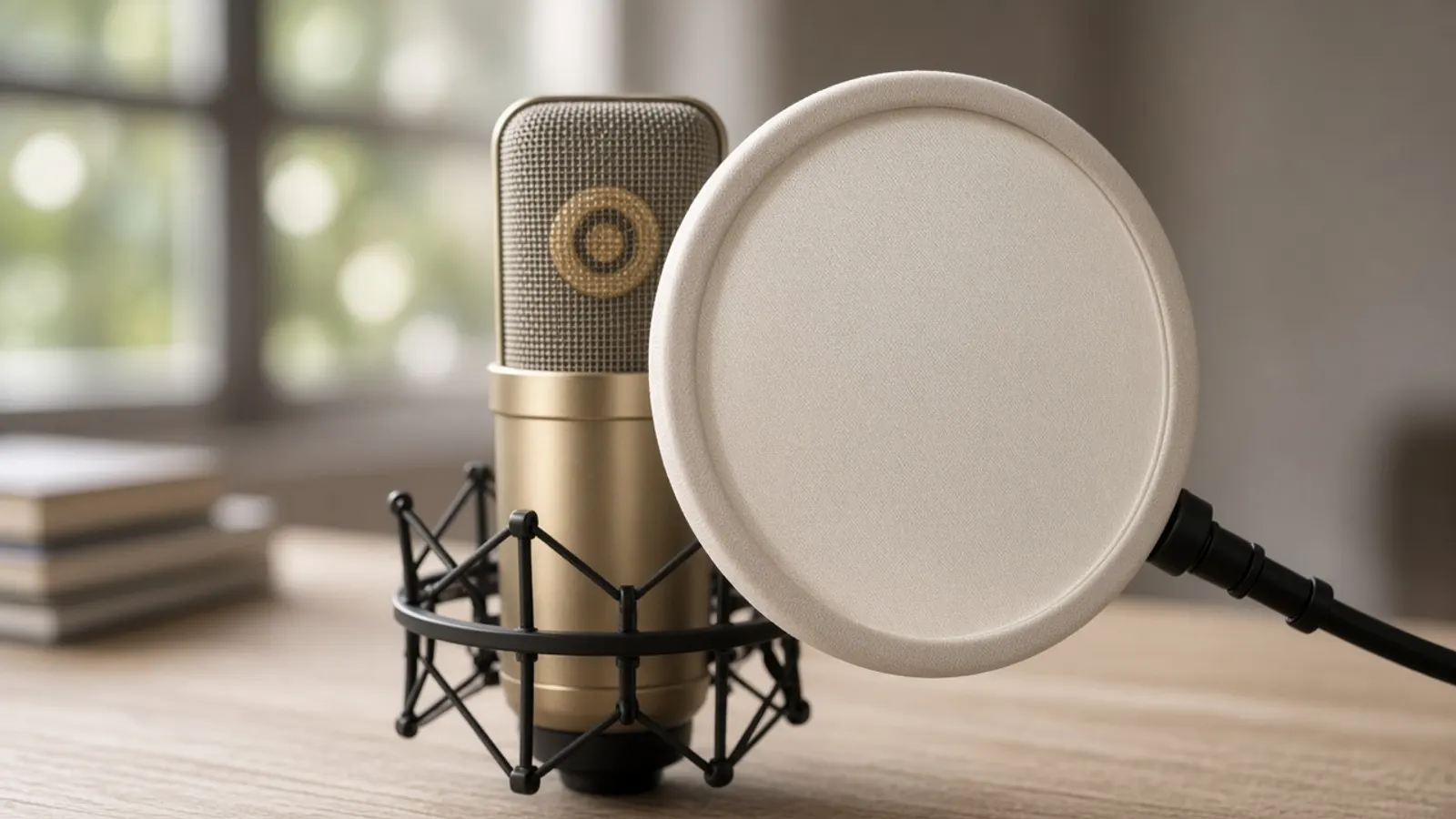
Working with an extracted vocal
Listen to the stem from the acapella extractor on headphones first. If you plan to build a remix, find the tempo and key of the original with BPM Finder, and trim the section you need with Audio Cutter before you separate, so the task covers only that part.
A separation costs 9 credits per minute (minimum 36), charged only when it succeeds. Send the vocal on to WAV to MIDI when you want the melody as notes.

What happens to your song
With Cloud Standard, your browser turns the song into an MP3, which is stored privately under your account and sent to WaveSpeed, a third-party AI platform, to make the tracks. With Local 6 tracks, the song never leaves your browser.
The uploaded song and the tracks stay private to your account for 7 days and are then deleted automatically. We do not use your audio to train models, and nobody at SampLab Pro listens to it. Saving a track to your library is a separate step that you choose, and library files are kept for 180 days. The Privacy page has the details.
AI separation compared with phase cancellation and Spleeter
The old trick for removing vocals is phase cancellation. It subtracts one stereo channel from the other, which only removes sound that is exactly the same in both channels. The voice is usually in the centre, but so are the bass and the kick drum, and reverb stays behind, so the result is thin and often still has the voice in it. It does nothing for a mono song.
AI models learn what a voice sounds like and pull it out of the mix. In the results published by the Demucs project on the MUSDB18-HQ test set, Hybrid Transformer Demucs (fine-tuned, four sources) reaches an average signal-to-distortion ratio (SDR) of 9.0 dB, against 5.9 dB for Spleeter, an earlier and widely used model. A higher number is better. The figures come from the Demucs README and from Rouard, Massa and Défossez, "Hybrid Transformers for Music Source Separation" (ICASSP 2023). They describe those models on that dataset, not this page: Local 6 tracks runs a Demucs model whose authors call the six-source version experimental, and Cloud Standard uses a different third-party model, so your own results will differ.
What it cannot do
This page separates a recording into tracks. It does not change the key or the tempo of a song. Backing vocals count as part of the vocal, so they go to the vocal track together with the lead voice, and the lead and the backing cannot be split. Faint traces of other sounds can stay on any track, especially with reverb or a dense mix.
It works on audio files that you upload or pick from your library. It cannot take a link, so you cannot paste a YouTube address. Use a file that you own or have permission to use.
Ready to try Acapella Extractor?
Add a song at the top of this page to pull out its vocal. A separation costs 9 credits per minute (minimum 36), charged only when it succeeds.
Open Acapella ExtractorAcapella Extractor FAQ
What is an acapella extractor?
An acapella extractor separates the vocal from a finished song so you can hear and use it without the music. Here it returns the vocal plus the instrumental, and the bass and drums too if you choose 4 tracks.
How do I extract an acapella from a song?
Upload the song, press the button and wait for the result. When it is ready, play the vocal track, then download it as WAV.
Is the extracted vocal the same as a studio acapella?
No. A studio acapella is recorded without music. An extracted vocal is separated from a mix, so it can carry reverb, backing vocals and faint traces of instruments.
How many credits does the acapella extractor use?
Each task costs 9 credits per minute (minimum 36). Credits are charged only when a task succeeds; if it fails, they go back to your balance.
Which files can I use with the acapella extractor?
Common audio formats. Free accounts can use files up to 50 MB and 6 minutes long; paid plans up to 200 MB and 15 minutes. The file is prepared in your browser before it is uploaded.
Can I use the acapella extractor's vocal in a remix?
The tool only separates audio. Using the vocal in a remix or release depends on your rights to the recording and the composition, so work with material you own or have permission to use.
Can I turn the vocal into MIDI?
Yes. Use the button under the vocal track to send it to WAV to MIDI, which converts the sung melody into notes.
Is this the official Demucs?
No. SampLab Pro is an independent service and is not affiliated with Meta or the Demucs authors. The Local 6 tracks engine runs the open-source HT-Demucs model in your browser. Cloud Standard uses a different third-party model through WaveSpeed. The Licensing page lists both.
Can I paste a YouTube link?
No. SampLab Pro only separates audio files that you upload or pick from your library. It does not download from YouTube or other sites. Use a file that you own or have permission to process.
Can I use the stems commercially?
The rights in a recording stay with its owner, and separating it gives you none. We do not promise that stems are cleared for commercial use, so use songs you own or have permission to use. The Licensing page explains the open points.
What happens to my upload?
Cloud Standard sends the audio to WaveSpeed to make the tracks, and Local 6 tracks never leaves your browser. Uploaded audio and tracks stay private to your account for 7 days and are then deleted automatically. We do not use them to train models, and nobody at SampLab Pro listens to them.